Feeding bowls are one of the easiest pet products to source and one of the easiest to get subtly wrong. Small differences in base grip, finish, and packing decide whether customers reorder.
The five checks that matter
- Stability: a bowl that slides while a pet eats is returned. Test the base grip on tile and on laminate.
- Edge finish: run a finger along the rim — sharp or rough edges are a safety complaint waiting to happen.
- Material documents: request food-contact reports for the exact material and the exact factory before production.
- Cleaning: confirm dishwasher behaviour in writing if you plan to advertise it.
- Drop test: drop a loaded bowl from table height onto a hard floor and record what breaks.
Lick bowls and slow-feed styles
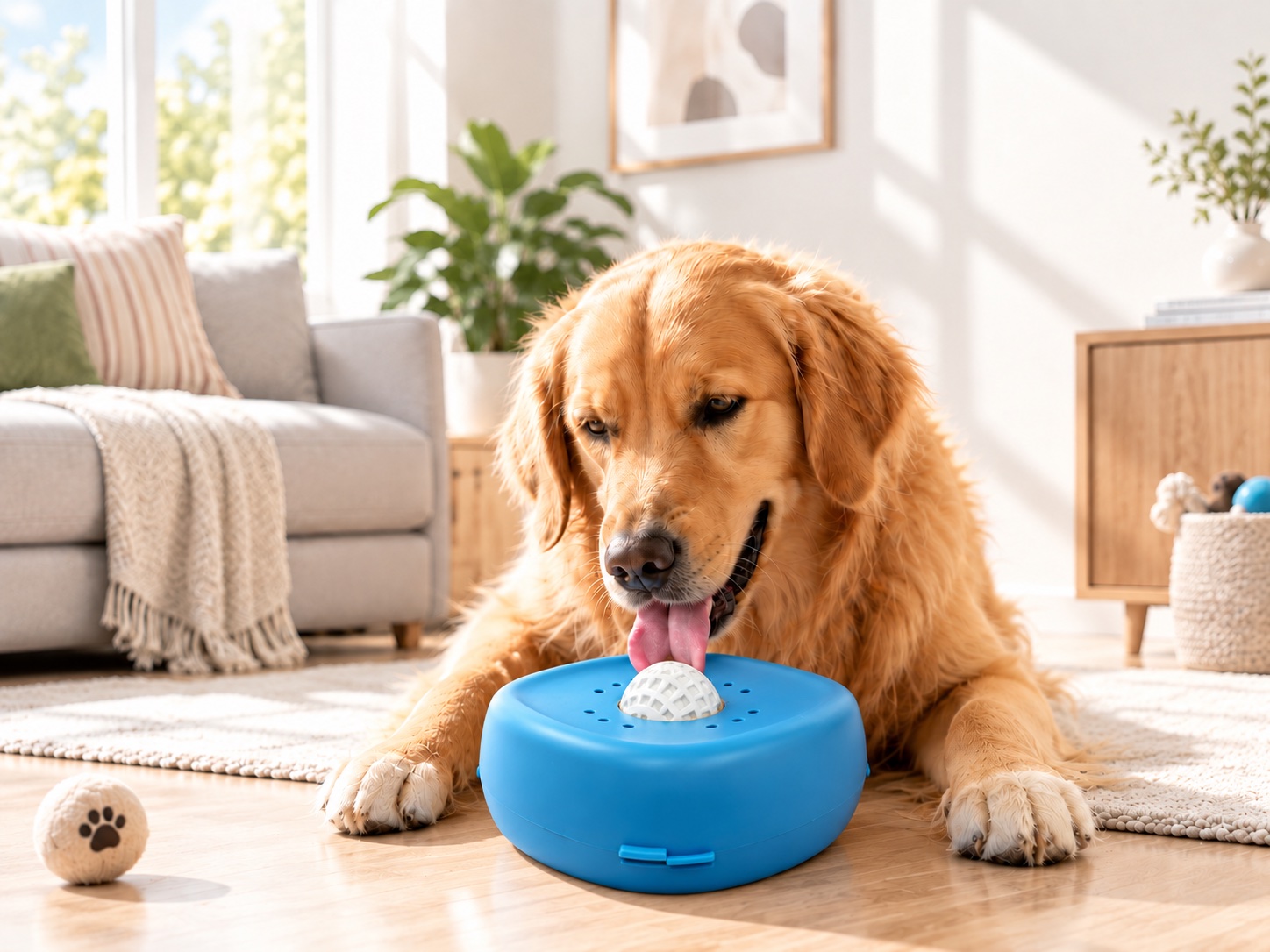
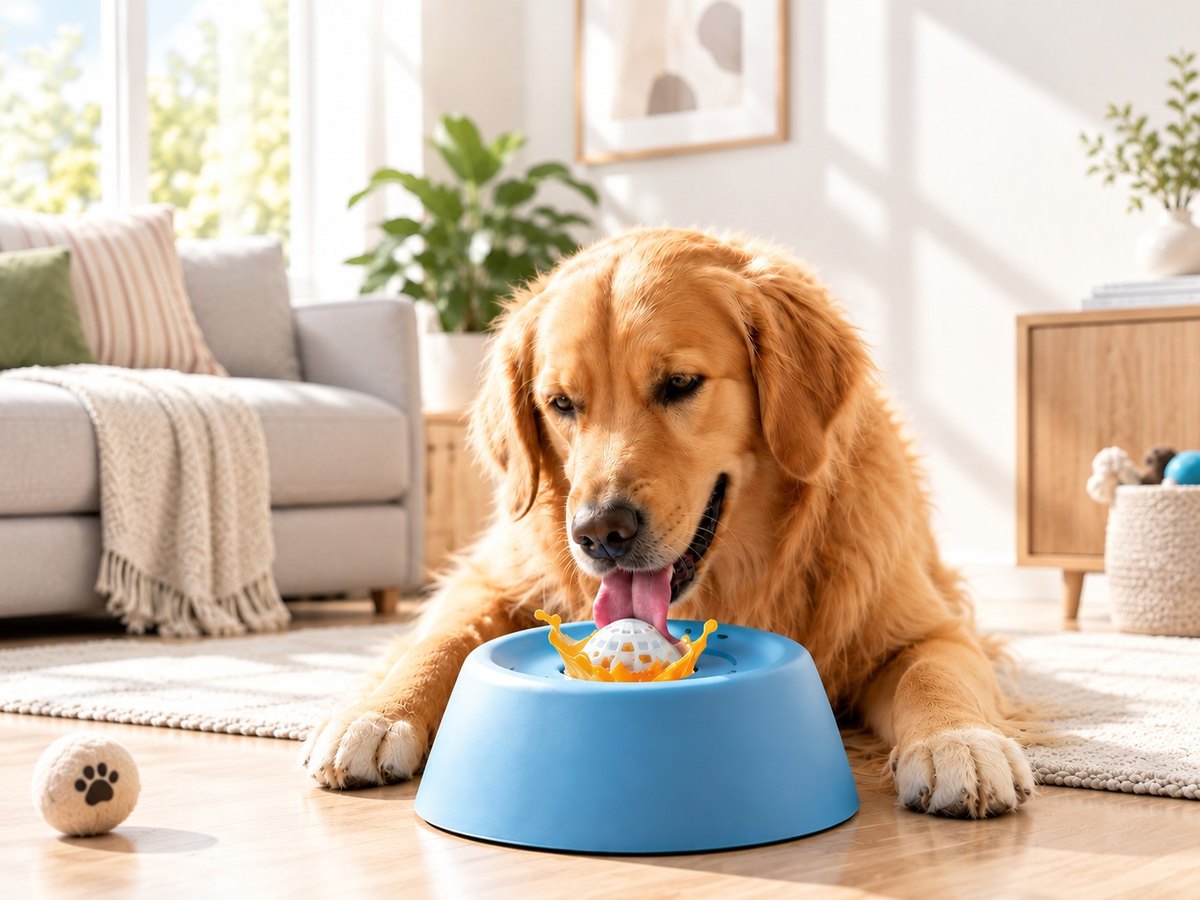
Lick-style bowls are sold on engagement and enrichment rather than on capacity. Buyers usually want a range of surface patterns and sizes, so ask for a pattern sheet and confirm costs per pattern. Keep wording descriptive — avoid any claim that a product treats or prevents a health condition, since that triggers a different set of regulations in most markets.
Packing that protects the base
Bowls ship well when each unit is protected at the base and the rim, and when the master carton allows stacking without pressure on the stack above. Specify this before production — retrofitting packing mid-order is expensive.
Send us your target sizes, price band, and market, and we will prepare material and packing options for a sample run.